Key, fill, kicker; the holy trinity of lighting.

Demystify the ‘Holy Trinity’ of Lighting

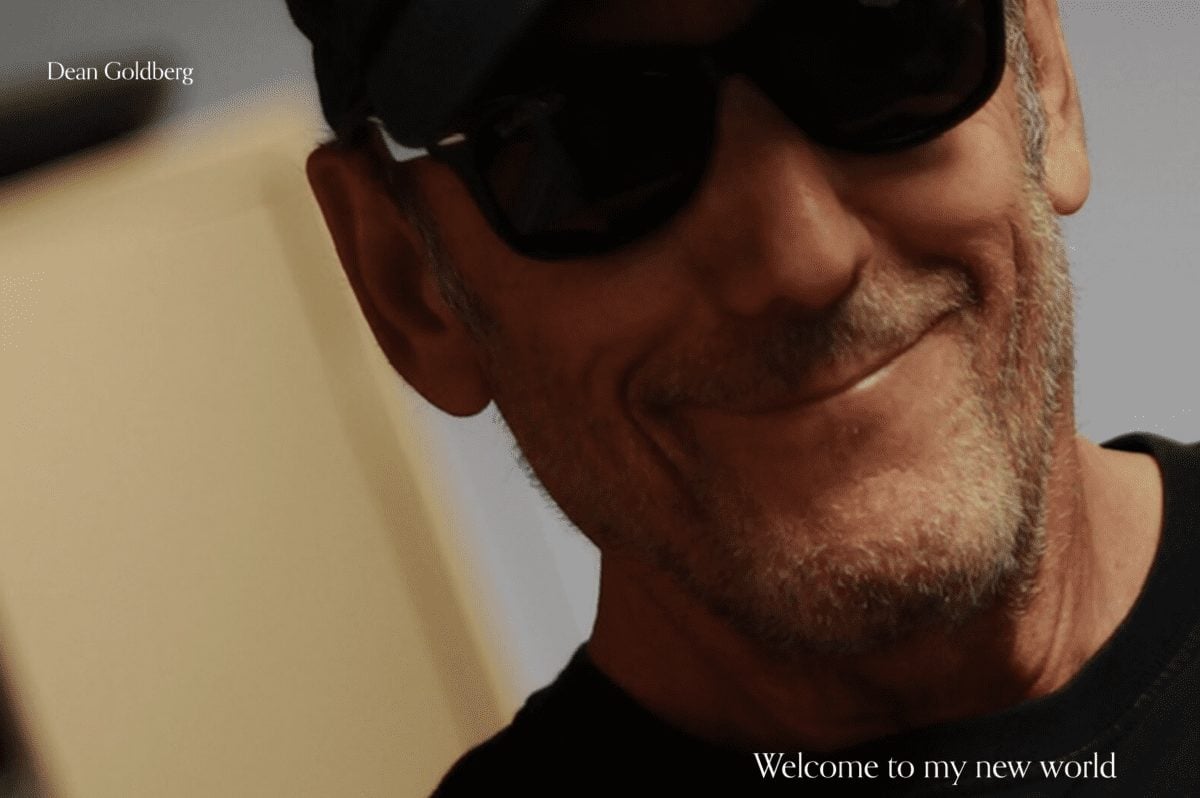
by Dean Goldberg

Key light, Fill Light, Kicker; Video Lighting

It’s the first thing most novices learn in a production fundamentals class. Yet walk onto any set in Hollywood, or a location shoot in Madrid, for that matter, and you may find it’s not that easy to spot the holy three. Why? There are lots of reasons, but I’ll save some trees and whittle the reasons down to a few really good ones.

Traditional Lighting Model Learned at Filmschool

Let’s begin with the most important reason. The traditional lighting model that I learned at film school many years ago, and is still being taught today, is based on a lighting scheme for Black and White still photography. Established in the days of slow film and hard lighting, the traditional key light brought the subject out of the darkness, literally, while the fill light exposed the area surrounding the subject. The ubiquitous kicker, or backlight, gave those movie stars that famous magical glow – picture Bette Davis in Dark Victory, Jean Harlow in Dinner at Eight or Joan Crawford in Mildred Pierce. In the high gloss movies of the thirties and forties, that lovely halo would follow movie stars wherever they went, from dawn to dusk. Whadda light!  While many of the functions of the traditional key light have long been laid to rest, that ole kicker is still following actors around, even today. And while the universal use of color film can take the blame for the downfall of the hard light key (in many instances, not all – see I’m covering my bets already), the kicker still adds that special, star quality that will never be out of date.

Digital Video and the Intensity of Light

My second good reason for wanting the three point lighting model to be stuffed in our collective attic, is film speed – and in the case of video, well, is that digital video can practically see in the dark these days. Shooters simply don’t need as much light as they did in the old days. That doesn’t necessarily mean that we need less lighting, in fact, I think the opposite may be true, but we sure don’t need the intensity of light that they did say, sixty years ago.

In Motion Pictures People Move

My third, and final reason, at least for this article, is that unless you’re shooting an interview, people move, and when they do those textbook illustrations for three point lighting fall apart like a home-made cookie that’s been in back of the lighting truck for two or three years. Sure you can follow an actor with a key, or set up areas with different keys – but you’re in for a long journey trying to find a schematic for that one. It certainly won’t be on the same page as those foolish looking drawings with the three open faced lights beaming down at their subjects as if they were trying to melt them rather than light them.

Real World, Real Lighting

Okay. So I’ve given you my complaints about the egregious treatment of novices by the textbooks from hell that have been around since just after the stagecoach became an unpopular mode of transportation. Do I have anything better to offer? Well, actually, I think so. Here’s how I see it.

First, let’s stop with those useless diagrams. Not only are they misleading, but they’re just plain wrong. Let’s try calling the key light something more appropriate. In my production classes, I call it the motivational light. Even the staunchest open-face, umbrella bouncing fan would agree that a “key” can come from anywhere. A window, a night-light, a streetlight; whatever source illuminates the principal object or person in the scene.

Second, let’s stop thinking of fill light as a compliment to the “key.” My long time DP, Rick Seigel, often set his ambient lighting first, taking care to secure the foot-candle level of the background before he sets his key. Allan Daviau, ASC, the DP on ET: The Extraterrestrial, has talked about this “back-to-front” method in his tutorials. The trouble with introducing novices to an anachronistic and simplistic model of lighting – the three point lighting model – is that it’s not the wrong way to go about lighting, per se; it’s simply not the right way. College production departments need to invest in some Fresnels and bounce cards. Getting some grip stands wouldn’t be a bad idea either. Your school already has those tools? Good for you. But in many schools around the country, narrative filmmaking is still being taught using only open-faced news lights.

Let’s try not to make lighting such a mystery to novices; instead, let’s bring our students into the real world with real lighting situations and real tools. Oh, and as for that ever-present kicker? As Paul Henreid said to Bette Davis in Now Voyager, “Why ask for the moon, when we have the stars?”

Dean Goldberg worked as a film editor and producer for more than 50 political campaigns, including those of Sens. Ted Kennedy and John Glenn, before moving on to writing and directing for television and advertising.

https://deangoldberg.com/

About Us

StudentFilmmakers.com is where creatives grow. Learn filmmaking, connect with industry pros, and access tools, contests, and inspiring educational resources.

Advertisers

Sign up for our Newsletter

Discover exclusive access to free webinars, hands-on workshops, and cutting-edge insights into emerging technologies and workflows. Sign up with the form above to stay ahead in the fast-evolving world of filmmaking.

Scroll to Top
×