
By Sherri Sheridan
Conflict determines audience interest and you need to come up with different ways to add tension to each scene. The way the character accomplishes each scene goal needs to have a sweet surprise that is unexpected. They do not just waltz into the room and grab the plot goal. Sneaky plans need to be made, and then everything should go wrong, as they are forced to think on their feet and improvise.
First think of the scene plot goal then list what obstacles could stop the character from accomplishing their scene goal in that location. You can add these ideas to each scene or throughout a short film to make it more interesting. Never do the same thing twice or it loses impact. Show the character accomplishing the goal at the end of the scene, or later in a surprising way, after failing at several attempts.
#1 Inner.
Psychological, intellectual or emotional problems. Flaws, fears, obsessions, pride, schizophrenia or jealousy. Protagonist overcome by debilitating fear like snakes in Indiana Jones. Stresses out so bad he starts to shake. Hears voices in her head. Look for new ideas around characters interacting with conflicts during scenes to see what might come up.
#2 Personal.
Character has a bad attitude and is fighting with everyone. Show character having conflicts with people, family, pets, neighbours, friends or coworkers.
#3 Social.
Show character getting kicked out of school, fired from a job, getting arrested, demonstrating or being chased by rival gang.
#4 Spiritual.
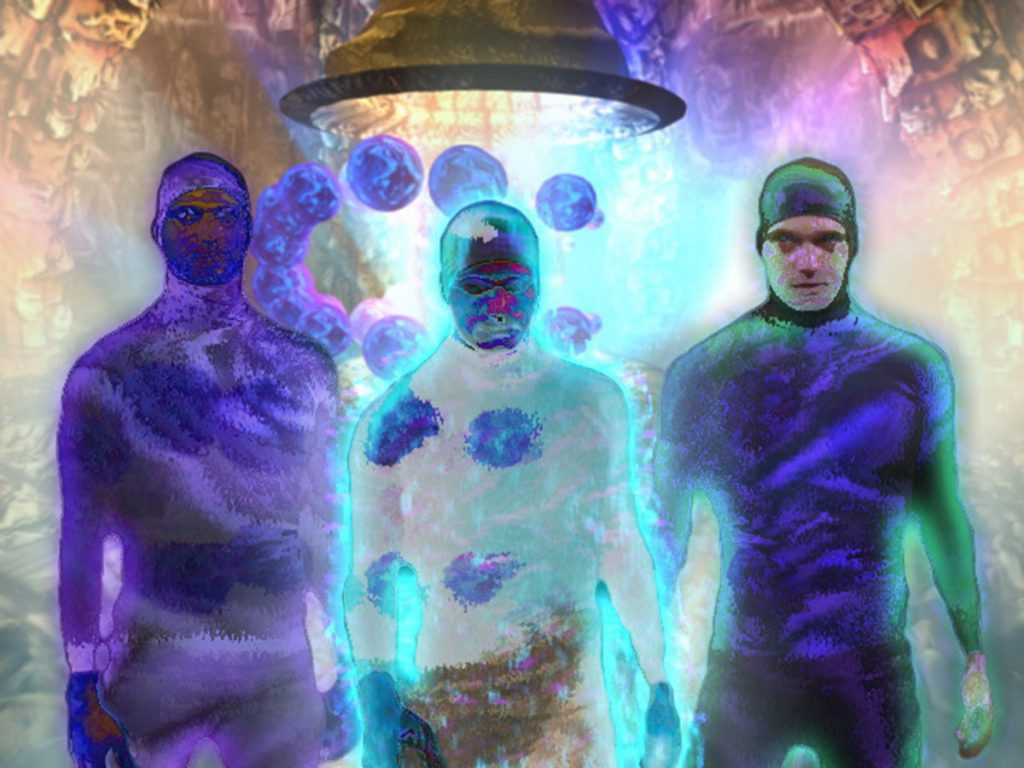
Character doing things based on spiritual guidance. Mystical forces. Strange accidents, games of chance, signs, coincidence, synchronicity, moral choices, ethical codes, supernatural forces, gods or paranormal world occurrences. Sacred statues may come alive and try to kill hero. Lightening bolts strike down character. Ghost tries to mess with him.
#5 Environmental.
River crossings, wars, jungle, mountains, possessed tree, gauntlet, security lasers, sharks, electrical cords in water, fire, armed border or protective case. Look at each scene location for original genre ideas.
#6 Visual Ticking Clock.
Adds tension through time pressures to each scene. Usually this is a bomb in the corner or time limit of some kind. What new form of countdown can we watch in your story? The viewer needs to see the numbers or gauge getting lower each scene.
#7 List Goal Oppositions.
Who or what is trying to stop your protagonist from achieving their goals? If your character’s goal in the scene is to walk across a room and get a statue, make a list of all the things that could prevent your hero from getting that thing. The more impossible the feats the character overcomes, the larger than life they become.
#8 New information makes plot goal mute.
Forces bigger plot goal to be established. Evil man dies, world ends, statue shatters.
#9 New Information or discovery requires change of plans.
Map under statue with scorpion in it, scans room and sees invisible security, gets a call on his cell phone warning him police are coming.
#10 Character accomplishes first goal but sees bigger new one now.
Character changes mind. Protagonist decides it is too hard, gets hurt, has to retreat or gets blackmailed to double cross employer.
#11 Character On Selfless Quest.
Have them be on a mission of some sort or have a virtuous motivation to accomplish scene goal. This makes the audience root for them more to succeed.
#12 Even Higher Stakes.
What happens if your character fails to achieve scene goal? In The Matrix if you die in the game world, you die in the real world. This is an irrevocable loss that raises the stakes considerably. Personal loss, impact on greater world, family loss, death of some kind (emotionally, spiritually, physically) all increases the level of conflict. The stakes can also be raised for what good things happen if they win to make it more interesting. Character bets everything on a gamble.
#13 Unexpected event occurs.
Earthquake, ambush, flood, accident, death, shot from unknown place or transportation breaks. What happens if your kidnapper bad guy, gets into a car accident with your hero tied up in the trunk, during the get away? A much more interesting and tense scene takes place then just driving to the next place.

#14 Mistake or misunderstanding further complicates situation.
Wrong statue, breaks object, sets off alarm, sprains ankle on waxed floor.
#15 How could you combine these conflicts?
A character could get struck by lightening every time she goes off his path. Show how she is being guided by an unseen force while also hearing crazy voices in his head.
#16 Character Fails.
Show plans going all wrong and they give up. Have you ever given up?
#17 Unexpected character appears
who either helps or hinders protagonist. Guard, pizza man, a flower delivery occurs with a plot note or an assassin.
#18 Character outsmarts opponent
or gets tricked and captured. Kills antagonist or outwits security guard.
#19 Character suddenly changes mind.
Says it is too hard, too scared, it is a fake or thinks they are out of time.
#20 Characters act in surprising way.
Acts strange. Threatens blackmail or changing loyalties. Owner shows up to make a deal, cop shows up, other thieves or guard wants to help.
#21 Theme Controlling Scenes.
Think also of how the invisible theme is controlling plot events in each scene. If desire leads to suffering you will show the characters suffering greatly after each big desire scene. In the movie African Queen, the characters go from experiencing spirituality in a church, to a direct one in nature fighting to stay alive. A glint of sunlight saves them from a gunshot. This shows the theme and controls the conflict.