Simplicity and Magic in Filmmaking
By Michael Goi, ASC, ISC
I’ve always been fascinated with magic. From the time I helped form the Magic Club in high school to my first experiments in doing stop motion animation with my Regular 8 film camera, I was obsessed with how to make the audience believe what I was showing them. For my feature film, Megan Is Missing, that meant using the audience’s expectation of what looked “real” as a way of getting them to be emotionally involved in the story. On American Horror Story, it meant pushing the envelope in cinematic extremities to the point that, even if the audience knew what they were watching couldn’t possibly be real, we were so committed to the vision that it took on its own reality.
The fact that an audience wants to believe what they are seeing is the foundation of magic and filmmaking. We exploit that desire to believe as directors, cinematographers, and editors. But it requires being an artist who is first willing to think beyond what you yourself see and believe. If you cannot think beyond what your eyes are telling you is real, how can you transport your viewer to the Mars in your mind?
Technology in this industry is constantly on a quest to make the images we see more real and lifelike. But is that what we really want? Consider that the films of Ray Harryhausen like The 7th Voyage of Sinbad or Jason and the Argonauts still have the power to unleash the imagination of viewers in an age of ultra-high definition visual effects. It’s not the technology that makes things real. It’s the imagination.
Simplicity is the key to our power as filmmakers. Finding the simplest solution to telling the story is what creates astonishing images which resonate with truth. We see it in great movies all the time. The shots of the plane speeding through the air and breaking the sound barrier in The Right Stuff was a model plane that the crew launched with a slingshot, and Caleb Deschanel, ASC had the operator try to follow it with a handheld camera; Mario Bava creating an entire alien planet for Planet of the Vampires by using some dry ice fog and only two rocks which he shot in forced perspective; and the seaside created inside the studio for Cannery Row using waving plastic. For that film, cinematographer Sven Nykvist, ASC asked production designer Richard MacDonald if he was sure the water effect would work, and MacDonald said, “Don’t worry, I’ve done this before.” When they saw the dailies, MacDonald told Nykvist excitedly, “Sven! It actually works!” Nykvist asked why he was so surprised that it worked since he had done it before, and MacDonald confessed that he had never done it before.
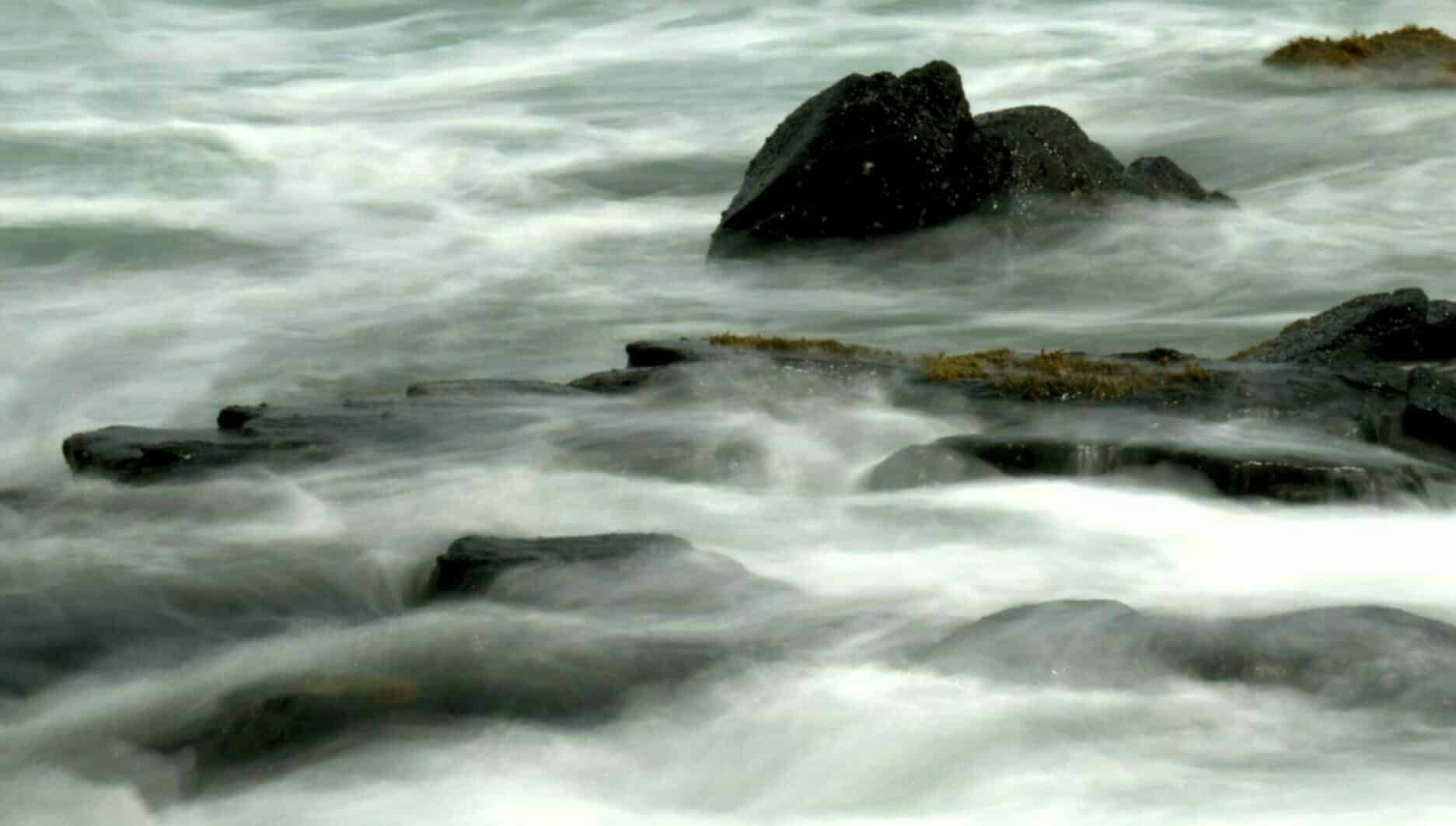
On the show I am currently executive producing, directing and shooting for Netflix, Avatar: The Last Airbender, much of the show is shot on the largest virtual production stage in the world. The visual effects artists working on the volume images are the top in their field, and the reality that they can achieve is truly astounding. But I felt it was important to keep an element of unreality to make the results more organic. And so, for the very first shot on the first day of filming, which was a shot of a boat with two passengers getting swept into a massive ice cave on a wave of water and crashing into an ice shelf, I added a bit of magic: the ice cave walls were in virtual production, the ice shelf was a practical set piece, and the wave of water was a four-foot trough placed in the foreground of the camera with a split diopter filter in front of the lens. Two special effects technicians dumped buckets of water into the trough as grips and stunt riggers pulled the boat on cables across the floor. The resulting image combined the elements of different specialties to create a new reality that enhanced the fantasy of what was happening. In an early production meeting, I proposed doing the shot this way with the assurance that I had done it before. I had never done it before. It just seemed like it would work in theory. And it seemed like it would be fun.
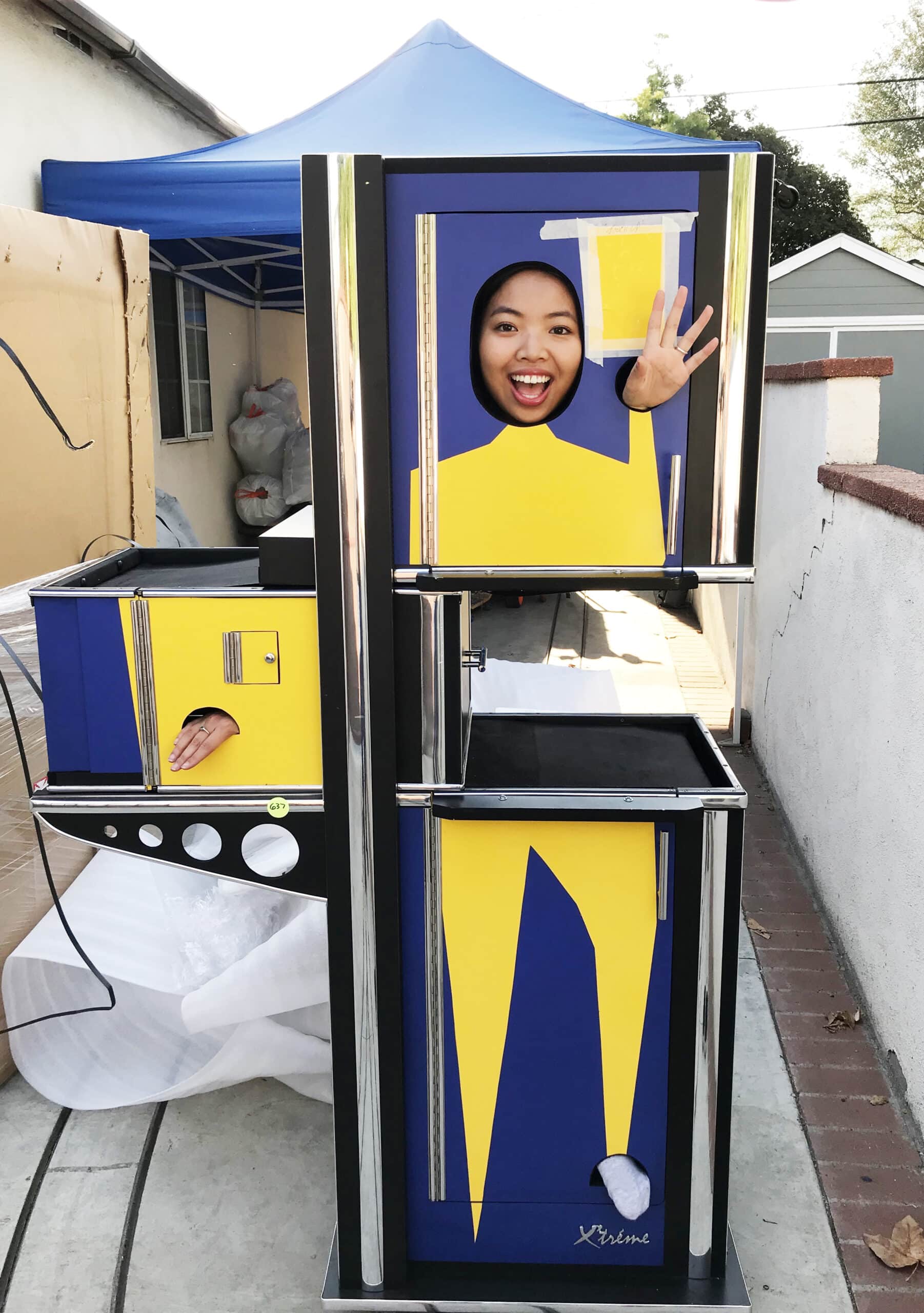
Above is a photograph of my assistant Tanya Lim in my ZigZag Magic Cabinet. The ZigZag is one of the foundations of magic. It can be performed anywhere, surrounded by people, and the principle of the illusion is the basis for countless other illusions. And yet it continues to be mystifying a hundred years after it was first performed. That’s because the concept is remarkably simple, and the human mind wants to find a complicated answer to what its mind sees but cannot comprehend. I’m hoping that you find your path to simplicity in your movies, because that’s where you’ll find the magic.

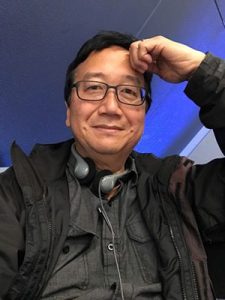
Michael Goi, ASC, ISC was born and raised in Chicago, where he established himself in the fields of documentaries and commercials. As a cinematographer, he has compiled over 75 narrative credits, four Emmy nominations and four ASC Award Nominations. As a director, he has helmed the pilot of Avatar: The Last Airbender for Netflix, four episodes of American Horror Story, as well as episodes of Big Sky, The Rookie, and many other shows. He wrote and directed the viral sensation, Megan Is Missing, and directed and photographed, Mary, starring Gary Oldman.
Michael is a three-time past president of the American Society of Cinematographers, served on the Board Of Governors of the ASC, and is the editor of the 10th Edition of the ASC Manual. He is the co-chair of the Directors Guild of America’s Diversity Task Force and serves as an alternate to both the DGA National Board and Western Directors Council. He is a member of the Academy of Television Arts And Sciences, the Academy Of Motion Picture Arts And Sciences and the National Executive Board of the International Cinematographers Guild, and is the chair of the Motion Imaging Technology Institute’s Board of Advisors.
Michael was accorded an Honorary Doctorate of Arts degree by Columbia College Chicago, and has appeared as a guest speaker at the American Film Institute, the University of Southern California, Walt Disney Animation Studios (for whom he demonstrated ice and snow lighting concepts for animators working on the film, Frozen), CineGear, IBC, NAB and many other international industry events. He regularly mentors students for various industry programs. An unrepentant movie buff, he has been known to spend all night in his home theater watching selections from the nearly 20,000 35mm, 16mm, Super 8, Blu-ray and DVD films in his collection.