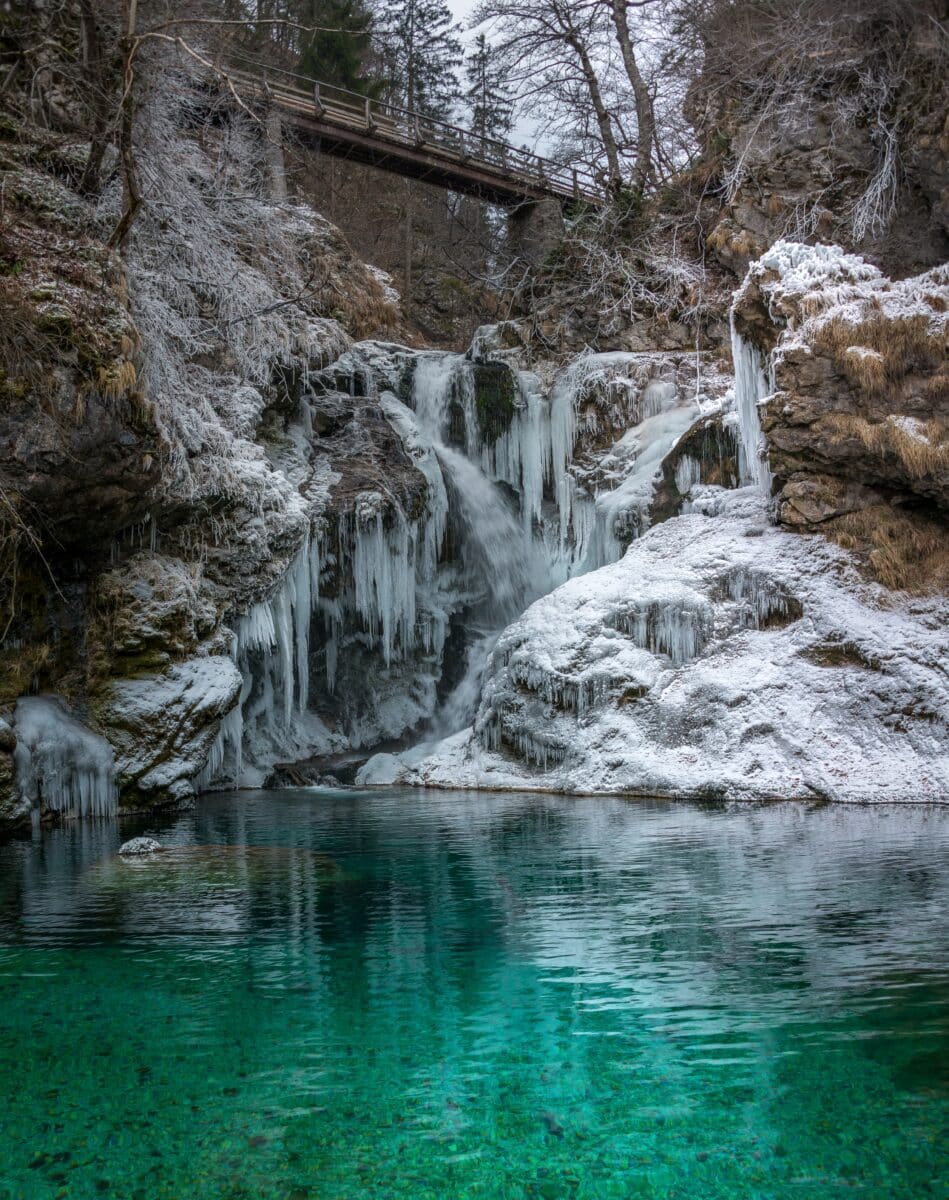

1. Use a tripod.
A tripod is an essential tool for landscape photography. It helps to prevent camera shake, and allows for longer exposure times.
2. Choose the right lens.
Wide angle lenses are perfect for capturing sweeping vistas, while telephoto lenses are better for creating compressed perspectives.
3. Capture the details.
Don’t forget to look for the little details in the landscape. This could be a wildflower or a rock formation, for example.
4. Look for the light.
Pay attention to the light and use it to your advantage. Soft, warm morning and evening light is ideal for landscape photography.
5. Shoot in RAW.
If you’re serious about landscape photography, shooting in RAW is a must. It gives you more flexibility when editing your photos.
6. Use filters.
Filters can help to enhance the colors in your landscape photos. Graduated neutral density filters are particularly useful for balancing exposure between the sky and the ground.
7. Look for leading lines.
Look for lines in the landscape that can help to lead your viewer’s eye into the photo. This could be a river, a road, or a line of trees.
8. Post-process carefully.
Post-processing should be used to enhance your photos, not to create something that wasn’t there in the first place.
9. Take your time.
Take your time to find the best composition. Move around and try different angles. Don’t be afraid to take multiple shots of the same scene.
If you haven’t yet entered our Annual 2023 Winter Photo Contest, don’t forget to submit your photo entries, and join the contest today!