
Unleashing Your Creativity: Essential Smartphone Filmmaking Tools and Tips for Beginners
Smartphone filmmaking isn’t just a hobby—it’s a powerful way to tell your story without breaking the bank. Many beginners get stuck wondering what gear really matters and which tips actually help their films look professional. This guide breaks down essential filmmaking tools and beginner filmmaking tips so you can start creating compelling videos right from your phone. Ready to master mobile video production and make your vision come alive? Check out this guide to get started.
Essential Filmmaking Tools

To kick off your smartphone filmmaking journey, it’s crucial to know the tools that can elevate your work. The right gear can make your videos stand out, even on a budget.
Must-Have Accessories
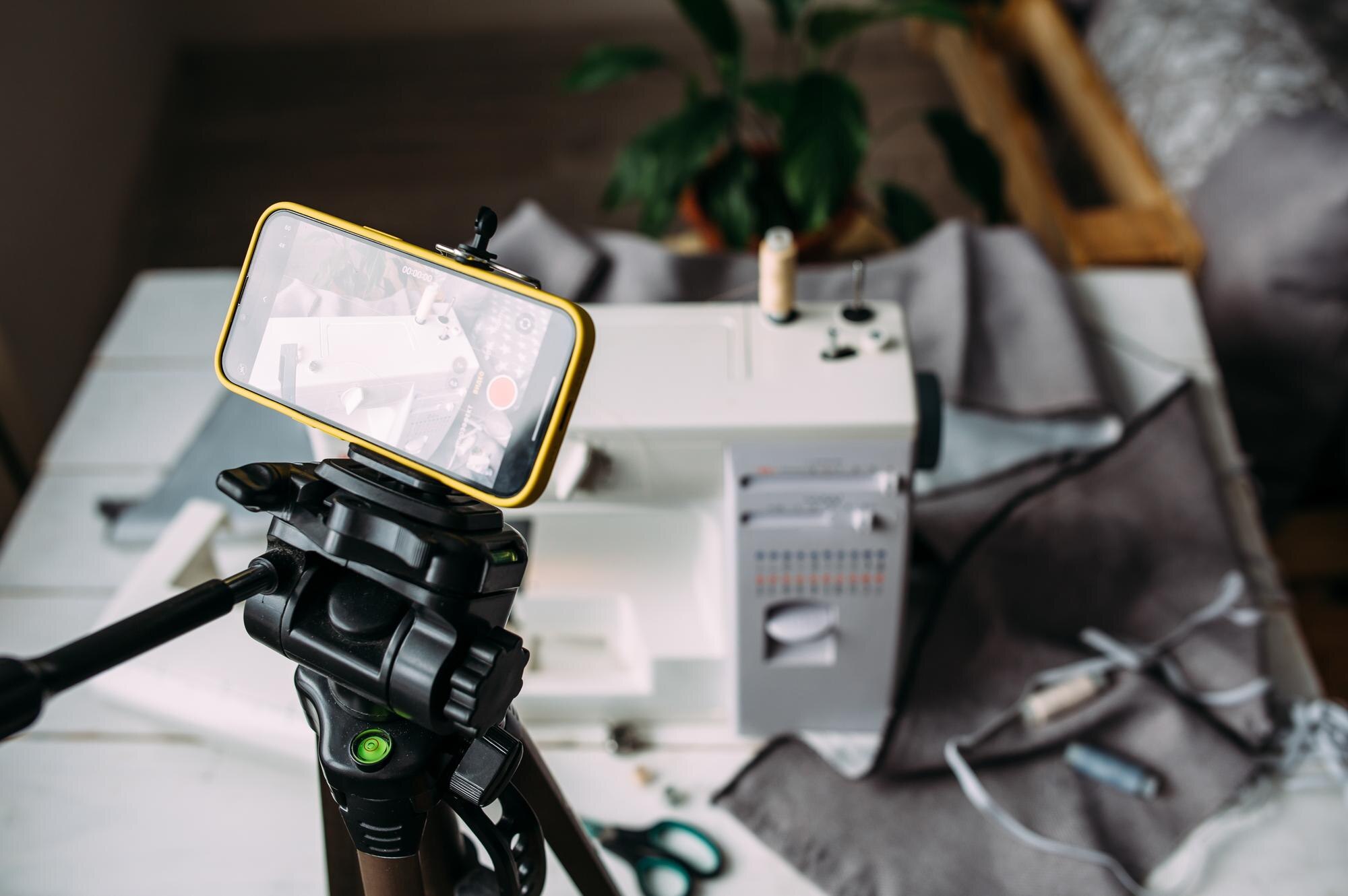
Accessories are the unsung heroes in filmmaking. A tripod is your best friend when it comes to stabilizing your shots. Shaky footage can ruin even the best scenes. Consider a portable tripod that suits your filming style. Another key accessory is a clip-on lens, which can widen your field of view or add creative effects. These lenses are easy to use and can instantly change the look of your footage. Finally, don’t forget about a portable battery pack. You don’t want your phone to die in the middle of a shoot.
For more insights, check out these tips on getting cinematic footage.
Best Editing Apps
Editing apps can transform raw footage into a polished masterpiece. One popular choice is Adobe Premiere Rush, which is intuitive and packed with features. It allows you to color correct, add transitions, and even includes soundtracks. Another great app is LumaFusion, offering multi-track editing and advanced effects. While it might have a learning curve, the results are worth it. Both apps provide the flexibility to edit on the go, ensuring your film gets the professional touch it needs.
Want to learn more about editing apps? Dive into our beginner’s guide.
Audio Enhancement Tips
Clear audio is crucial for engaging your audience. A simple external microphone can drastically improve sound quality. Lavalier mics are affordable and unobtrusive, making them ideal for interviews or dialogue. Another tip is to record audio separately using an app like Voice Record Pro. This allows for cleaner sound and easier editing. Always remember to monitor your audio levels to avoid distortion.
Explore more audio tips in this YouTube playlist.
Beginner Filmmaking Tips
Now that you have the tools, let’s delve into techniques that will refine your storytelling and visual style. These tips focus on the core elements of film production.
Framing and Composition
Creating visually appealing shots begins with understanding framing. The rule of thirds is a fundamental principle. Imagine your screen divided into nine equal parts; place key elements along these lines or intersections. This creates balance and interest. Experiment with angles to add depth and dimension to your scenes.
Most people think complex shots require expensive gear, but understanding composition can change your perspective entirely.
Lighting on a Budget
Lighting can make or break your film. Natural light is your best friend, so shoot during the golden hour—the first and last hours of sunlight. If indoors, use household lamps strategically. A simple desk lamp can work wonders when diffused with a white sheet for softer light. Reflectors, like a plain poster board, can bounce light and reduce shadows.
Check out this video on budget lighting setups for more ideas.
Storytelling Techniques
A compelling story is the heart of any film. Start with a strong script that outlines your plot, characters, and objectives. Storyboarding can help visualize scenes and ensure your narrative flows smoothly. Don’t forget the power of emotion—engage your audience by crafting relatable, authentic stories.
Here’s the key insight: great stories resonate because they reflect real human experiences.
Mobile Video Production Insights
As you prepare to shoot, consider these insights to streamline your process and enhance your final product.
Pre-Production Planning
Planning is the backbone of successful filmmaking. Create a shot list to outline every scene, detailing angles, dialogue, and movements. This ensures you don’t miss anything crucial. Scouting locations beforehand can also reveal lighting conditions and potential obstacles.
The longer you wait to plan, the more you risk missing those perfect moments.
Filming with Smartphone Techniques
Filming with a smartphone doesn’t mean compromising on quality. Use slow-motion features for dramatic effects or time-lapse for stunning transitions. Lock your focus and exposure to maintain consistency, and always shoot in the highest resolution available.
Want more filming techniques? This guide has you covered.
Community Sharing and Feedback 🎬
Feedback is invaluable. Share your work with fellow filmmakers online or attend local film meetups. Platforms like YouTube or Vimeo allow you to reach a wider audience and gain constructive criticism. Engaging with the community can provide new perspectives and inspire your next project.
Most people think feedback is just about criticism, but it’s a chance to grow and refine your craft.
Now that you’re equipped with essential tools and tips, it’s time to start your filmmaking adventure. Remember, your smartphone holds endless possibilities, and your creativity is the only limit.