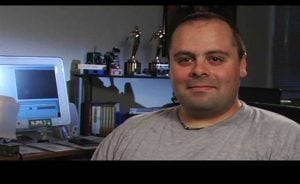
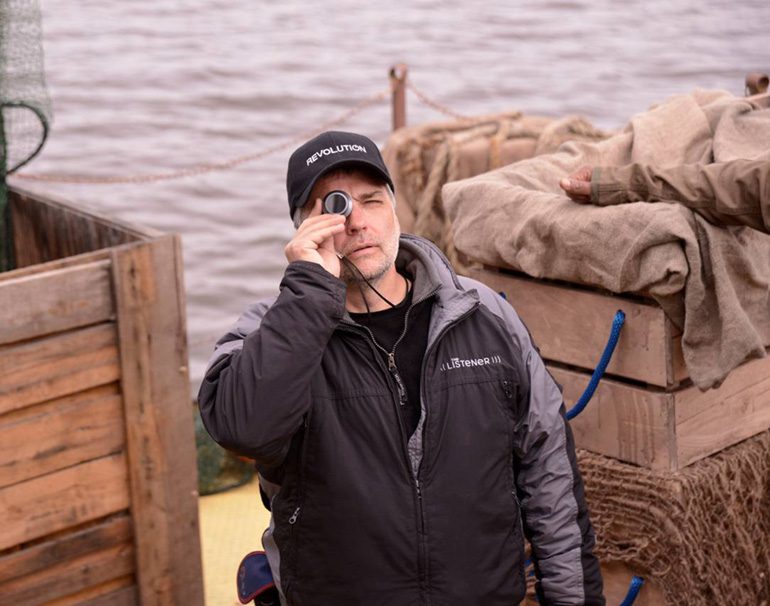
Q. How does a project’s genre influence your approach to lighting?
David Moxness, ASC, CSC: Regardless of genre, story comes first. My approach and goal is to complement and tell that story via the photography. Mood and feeling play a big factor. When lighting for a particular genre the type and style of lighting, hard/soft, warm/cool, naturalistic/avant-garde are all factors I consider. It is also important to track through the script any shifts, or specific consistencies, in lighting, color pallet and tone you wish to employ to ensure a consistent theme of style throughout. I’ve been very fortunate to explore different genres and enjoy doing so.
How do you navigate the influx of creativity from the various directors?
David Moxness, ASC, CSC: That can be tricky at times. Comes down to good dialogue and collaboration. I never want to handcuff an incoming Director and inhibit their initial thoughts. It very well could be their vision is something we haven’t yet discovered, or realized, is great for our show. Having free, creative and thoughtful discussion is vital.
What’s important to you in terms of camerawork?
David Moxness, ASC, CSC: For me it is very important the camera (movement/work, etc.) complements the narrative, enhances the story and doesn’t become “about the camera”. I also find shooting with prime lenses a much more disciplined form of filmmaking. Placing the camera, with a specific focal length of lens, in a certain place versus “finding an image size” from an arbitrary position.
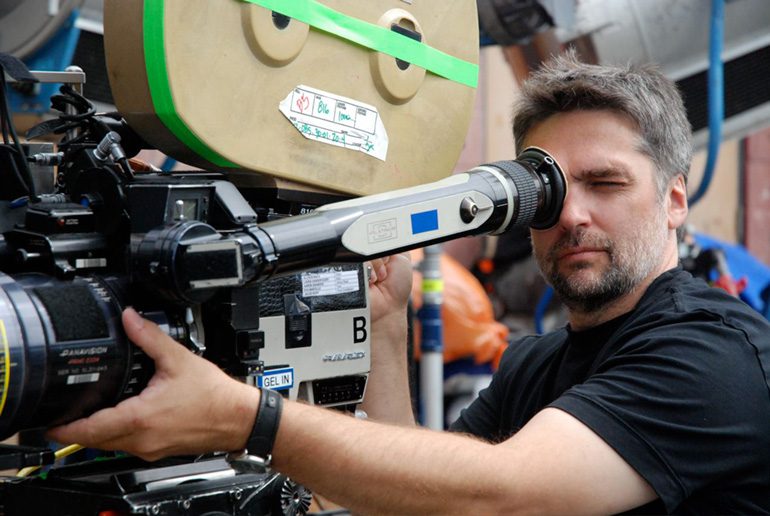
Top 3 Lighting Tips for new generation filmmakers and storytellers?
David Moxness, ASC, CSC:
Tip #1: Faces. So much emotion, character and storytelling will come from the actors, specifically their close up. Sometimes I feel lighting faces gets lost, yet it can be such a huge factor in storytelling. How best does the lighting portray that character – or characters – in a scene?
Tip #2: Environment. The lighting of the set/location needs to fit with the scene and story. Treat it like another character.
Tip #3. Explore. Technically, there really isn’t a right way or wrong way. It’s about what feels appropriate. Use examples from existing films and shows as influence, but don’t be afraid to explore. Put your thumbprint on it!

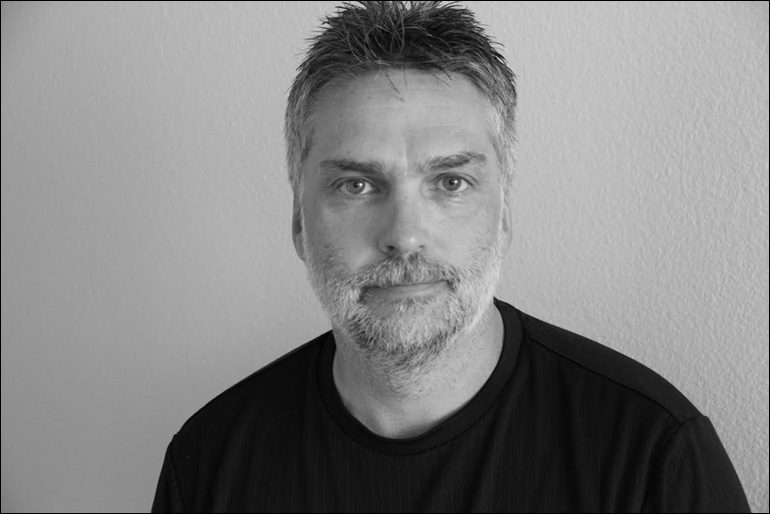
David Moxness’s Cinematography Journey
A Maverick in Cinematography: Moxness’s Career Highlights
In 2015, the Canadian Society of Cinematographers Awards honored him with the Masters’ Award for his outstanding contribution to the art of cinematography.
Navigating Uncharted Realms: Moxness’s Work on “The Wheel of Time”
Moxness is currently lensing Amazon’s upcoming series The Wheel of Time. Shooting in Prague, the series is based on the fourteen volume, best-selling fantasy series of the same name from author Robert Jordan.
A Panorama of TV Works: From “Alive” to “Lethal Weapon”
Recent television work includes the Alive pilot for CBS and director Uta Briesewitz; ABC’s Whiskey Cavalier series; and the first two seasons of Lethal Weapon for Fox Studios.
Triumphs and Accolades: Awards and Nominations
Moxness’s impressive array of accolades includes Leo and Gemini Awards, and nominations for the American Society of Cinematographers (ASC) and Primetime Emmy Awards. He also shot Jon Cassar’s four-part miniseries The Kennedys After Camelot, for which he won a Leo award, a Gemini Award, and earned nominations for ASC and Primetime Emmy Awards.
Pioneering Technology: Advent of 24p High Definition Video
In an industry where technology is constantly evolving, Moxness rose to the challenge when asked to use the new 24p high definition video on Gene Roddenberry’s TV series Earth: Final Conflict. His work on the series earned him a Kodak Spectrum Award and a Gemini Award nomination for Best Cinematography.
Roots and Mentors: The Journey Begins
Beginning his film and theatre studies at Brock University in Ontario, Moxness simultaneously worked as a production assistant at Alliance Atlantis Communications. He was mentored for eleven years by renowned Canadian cinematographer Rene Ohashi, ASC, CSC, the team worked on productions including the Atlantis miniseries Philip Marlowe Private Eye and the feature Where the Spirit Lives.
Current Life and Representation: Bellingham and DDA
Moxness resides in Bellingham, Washington and is represented by DDA.
Collaborations and Triumphs: A look at Moxness’s creative alliances
Moxness’s creative collaborations, such as his repeated partnerships with Jon Cassar, have been significant in his career. Notably, he also shot Cassar’s thriller When the Bough Breaks.
David Moxness’s career provides several key insights for those in the film industry or any creative field:
- Embrace Technology: Moxness has shown a willingness to embrace new technologies and incorporate them into his work, as evidenced by his early adoption of the 24p high definition video. This openness to technological innovation can be a key driver of creativity and quality in one’s work.
- Experiment and Innovate: He has never shied away from experimenting with different techniques and styles. His courage to step outside of traditional methods has allowed him to create visually stunning and unique cinematographic pieces.
- Learn from Experts: Moxness’s early career was shaped by his mentorship under renowned cinematographer Rene Ohashi. This underscores the value of seeking guidance and learning from those with more experience in your field.
- Versatility: His portfolio spans a wide range of genres, from high-stakes thrillers to intricate fantasy series, demonstrating the importance of versatility and adaptability in one’s craft.
- Dedication: His numerous awards and nominations speak to a dedication to his craft that aspiring cinematographers can certainly take inspiration from.